
Quality Assurance Engineering
Quality System Development & Process Validation
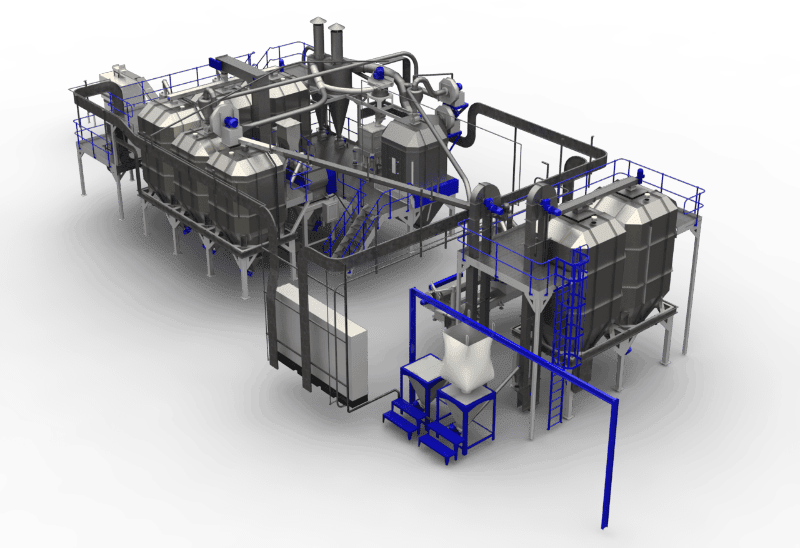
Quality system development and process validation focus on establishing robust frameworks that ensure consistent product quality, regulatory compliance, and controlled manufacturing performance. Quality systems define structured procedures, standards, and monitoring mechanisms that govern all stages of production, ensuring repeatability and traceability. Process validation confirms that manufacturing processes consistently operate within defined parameters and deliver products meeting required specifications. This involves evaluating process capability, verifying critical control points, and assessing variability under real operating conditions. Together, these activities ensure that systems are scientifically justified, well-controlled, and capable of producing safe, high-quality food products reliably across routine and scaled production.
Product Consistency Studies & Statistical Process Control
Product consistency studies and statistical process control focus on ensuring uniform quality and stable performance across food manufacturing operations. Product consistency studies evaluate variation in key attributes such as texture, flavour, appearance, and composition to confirm that formulations perform reliably across batches. Statistical process control applies data-driven monitoring techniques to track process variability, identify trends, and detect deviations before they affect product quality. Together, these approaches enable early intervention, improved process stability, and continuous quality assurance. They support robust manufacturing systems capable of producing consistent, high-quality food products under routine and scaled production conditions.

Documentation Development
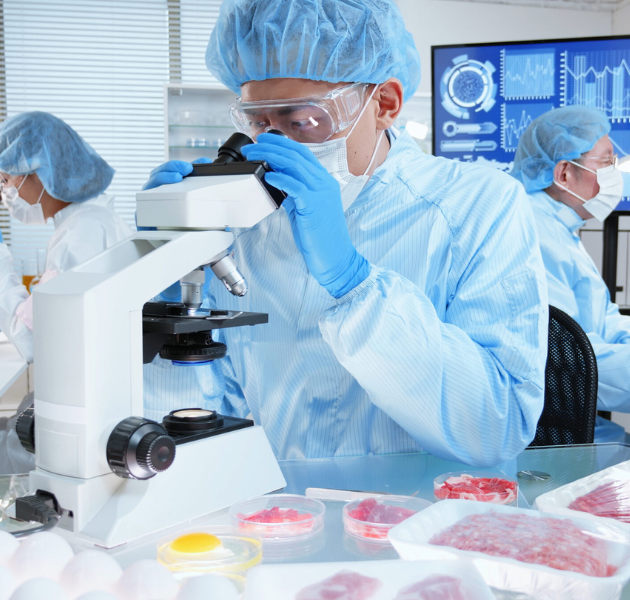
Documentation development focuses on creating structured, accurate, and controlled technical records that support food manufacturing operations and recipe engineering processes. This includes defining clear specifications, formulation records, process descriptions, and operational guidelines that ensure consistency and traceability across product development and production stages. Well-developed documentation standardises how recipes are recorded, transferred, and scaled, reducing variability and supporting regulatory compliance. It also ensures that critical knowledge is retained and communicated effectively between teams. Through clear and systematic documentation, organizations maintain control over product quality, process integrity, and long-term reproducibility of developed food formulations.
Production Monitoring Systems
Production monitoring systems focus on tracking and evaluating real-time performance of food manufacturing and recipe execution processes to ensure consistency, stability, and quality control. These systems collect and analyse data from key process parameters such as temperature, mixing intensity, flow rates, and batch timing to verify that formulations are produced within defined specifications. Continuous monitoring enables early detection of deviations, supporting rapid corrective action and improved process control. By linking operational data with recipe requirements, production monitoring systems enhance reliability, reduce variability, and ensure that developed food products maintain intended sensory and functional characteristics at scale.
Continuous Improvement & Quality Initiatives
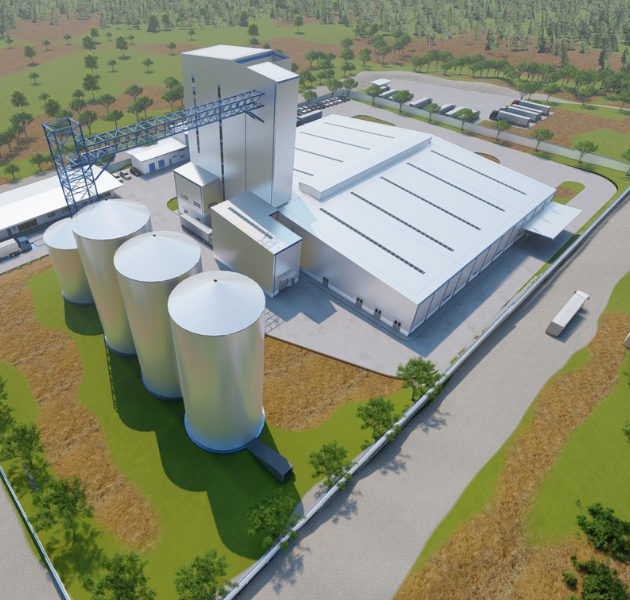
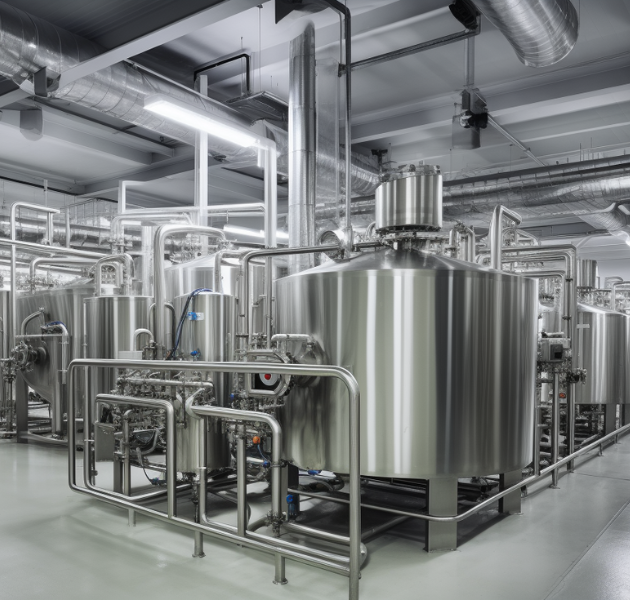
Continuous improvement programs and quality improvement initiatives focus on systematically enhancing food manufacturing and recipe performance over time. These activities identify process inefficiencies, product variability, and operational gaps, then implement structured changes to improve consistency, efficiency, and product quality. Using data analysis, feedback loops, and performance metrics, processes and formulations are refined to reduce waste, increase stability, and strengthen reproducibility. The goal is sustained optimisation of both production systems and developed food products