
Food Manufacturing Engineering
Food Manufacturing Engineering
Gradecracker focuses on engineering and optimizing industrial food manufacturing systems through analysis and design. Core work includes developing manufacturing process designs, structuring production line engineering layouts, and specifying appropriate equipment for efficient integration. Automated production systems and packaging system engineering ensure controlled, synchronized operations across processing and packaging stages. Batch and continuous process design establishes suitable production modes, while process capacity analysis and throughput optimization identify constraints and improve output efficiency. Yield improvement programs reduce material losses, and energy efficiency improvements lower consumption through system-level adjustments. Overall, the work ensures scalable, compliant, and efficient production system design without any physical manufacturing or site-based processing activities.
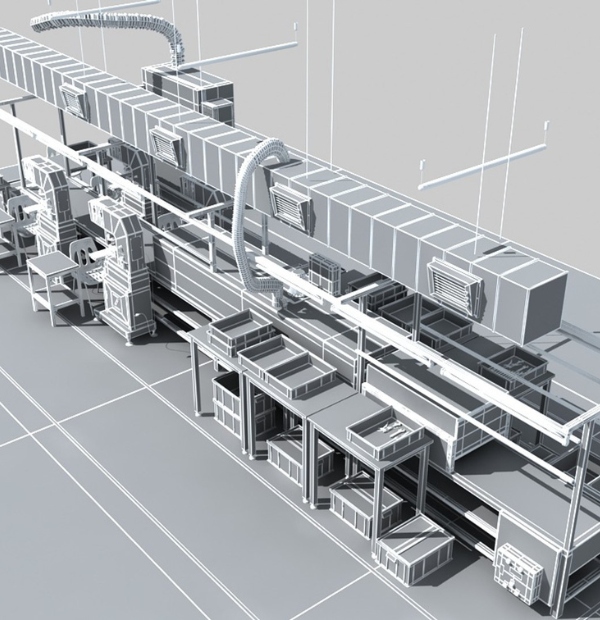
Manufacturing process
design
Manufacturing process design defines end-to-end production workflows, integrating process sequencing, material handling logic, operating conditions, and unit operation selection to establish efficient, scalable systems that support consistent product transformation within industrial food manufacturing environments.
Production line
engineering
Production line engineering focuses on configuring interconnected equipment layouts, process flow alignment, and operational sequencing to ensure balanced line performance, minimized bottlenecks, and synchronized production across multiple stages of food processing systems.
Equipment specification and selection
Equipment specification and selection involves defining technical performance requirements, hygienic design criteria, capacity needs, and operational constraints, then evaluating and comparing suitable technologies to ensure optimal integration within the overall production system architecture.
Automated production systems
Design of automated production systems centers on control architecture, sensor networks, PLC sequencing, and synchronized line operations to achieve stable, repeatable performance, reduced manual dependency, and scalable industrial execution through structured engineering analysis.
Packaging system engineering
Packaging system engineering focuses on integrating filling, sealing, labeling, and conveying technologies with product requirements, line speed constraints, and hygienic design principles to ensure coherent mechanical performance across the packaging workflow.
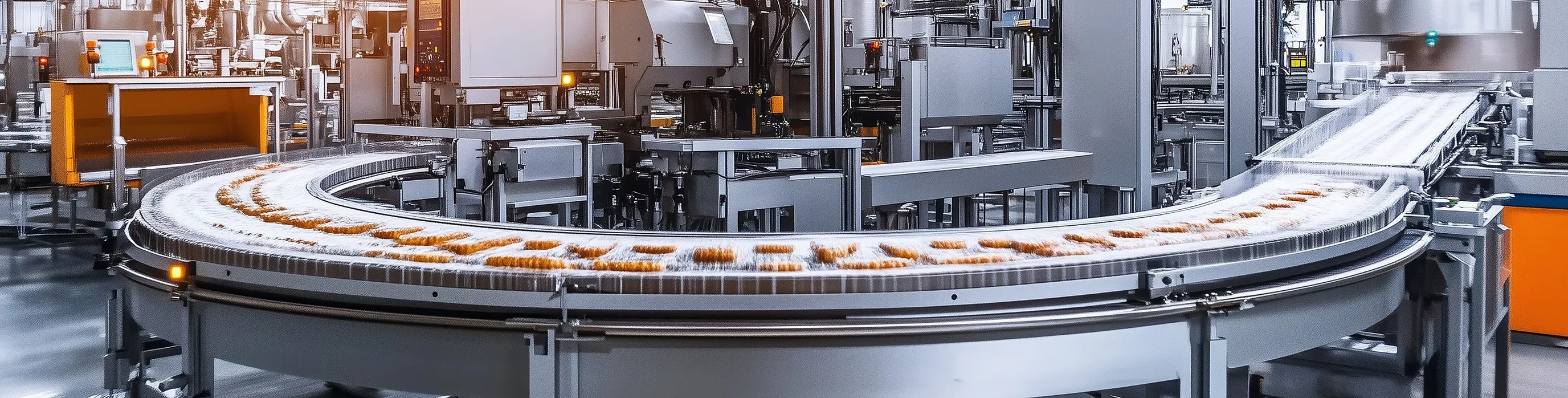
Batch and continuous process design
Batch and continuous process design defines operational modes, processing stages, and key parameters to establish robust production pathways, balancing flexibility, throughput stability, and scalability within food manufacturing environments.
Process capacity
analysis
Process capacity analysis evaluates equipment limits, cycle times, and material flow dependencies to quantify maximum output potential and identify structural constraints within a defined production system.
Throughput
optimization
Throughput optimization targets constraint points, flow imbalances, and sequencing inefficiencies to improve system-wide output rate while maintaining operational stability and synchronized process performance.
Yield improvement programs
Yield improvement programs focus on loss identification, process inefficiency mapping, and parameter refinement to increase usable product recovery and minimize material waste across production stages.
Energy efficiency improvements
Energy efficiency improvements assess consumption hotspots, equipment load profiles, and process energy demand to reduce overall usage through optimized operating conditions and system-level adjustments.