
Process Engineering
Process Engineering
Efficient processes and recipe engineering are essential for successful food production. Gradecracker develops and refines food formulations and processing systems to create new recipes, improve sensory performance, and reduce operational costs.
Recipe Development & Process Optimization
Recipe development and process optimization focus on creating and refining food formulations and production methodologies to achieve consistent, scalable, and high-quality products. Recipe development establishes the structure of a product by selecting ingredients, defining functional roles, and designing processing steps to achieve desired taste, texture, and stability. This includes structuring emulsions, hydration systems, seasoning profiles, and ingredient interactions to create repeatable culinary outcomes at industrial scale. Process optimization builds on this by adjusting processing conditions, refining formulation parameters, and improving efficiency to enhance flavor consistency, yield, and stability. Together, these activities ensure robust, well-balanced recipes that translate reliably from concept to full-scale manufacturing.
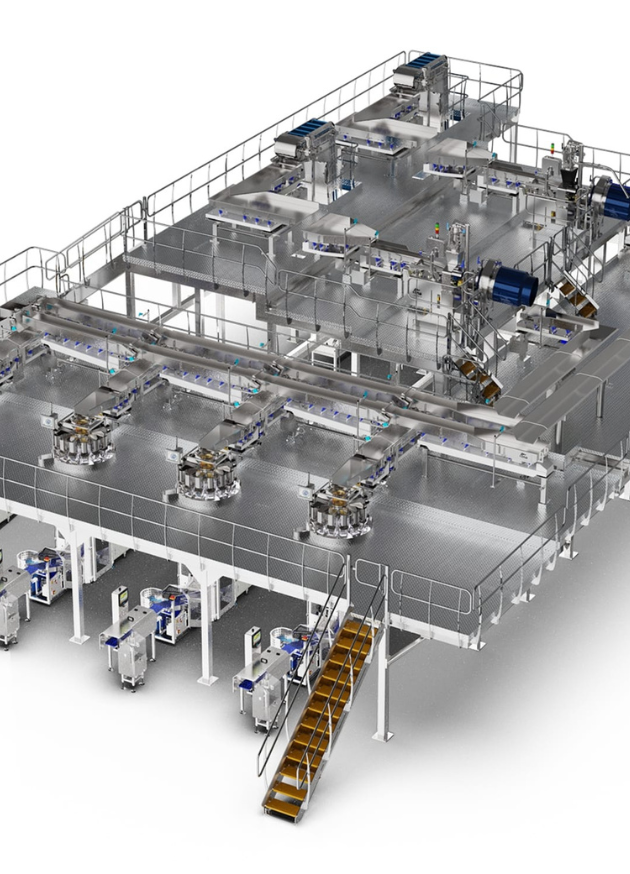

Thermal Processing, Ingredient Functionality & Recipe Systems
Thermal processing and ingredient functionality systems focus on designing controlled heating and cooling steps that preserve or enhance recipe characteristics such as flavor, texture, and safety. This includes evaluating heat-driven transformations like browning, gelation, protein denaturation, and moisture retention to ensure intended sensory outcomes. Ingredient functionality is engineered to balance structure, stability, and mouthfeel, ensuring that each component contributes correctly within the recipe system. Thermal profiles are aligned with formulation design to achieve consistent product quality, while preserving nutritional and sensory integrity. Together, these approaches enable the development of innovative, reliable recipes that perform consistently across industrial food production environments.

Production workflow analysis
Production workflow analysis in recipe engineering examines how ingredients move through preparation, mixing, and transformation stages to identify inefficiencies, improve process sequencing, and ensure consistent execution of newly developed food formulations at scale.
Mixing and blending processes
Mixing and blending processes in recipe development focus on engineering ingredient interaction, dispersion, and hydration to achieve uniform flavor distribution, stable textures, and repeatable sensory outcomes across newly formulated food products.
Product handling systems
Product handling systems in recipe engineering ensure gentle, controlled movement of ingredients and intermediate mixtures to preserve structure, prevent separation, and maintain formulation integrity throughout development and scaling of new food recipes.
Water usage optimization
Water usage optimization in recipe development evaluates hydration levels, absorption behavior, and process water roles within formulations to achieve desired texture, improve efficiency, and maintain consistency in new food product development.
Waste reduction programs
Waste reduction programs in recipe engineering focus on improving formulation efficiency by minimizing ingredient loss, optimizing batch yields, and refining recipe design to ensure maximum usable output from developed food products.
Production efficiency analysis
Production efficiency analysis in recipe development evaluates how effectively new formulations perform during processing, identifying constraints in scalability, mixing behavior, and resource use to improve overall recipe manufacturability and consistency.